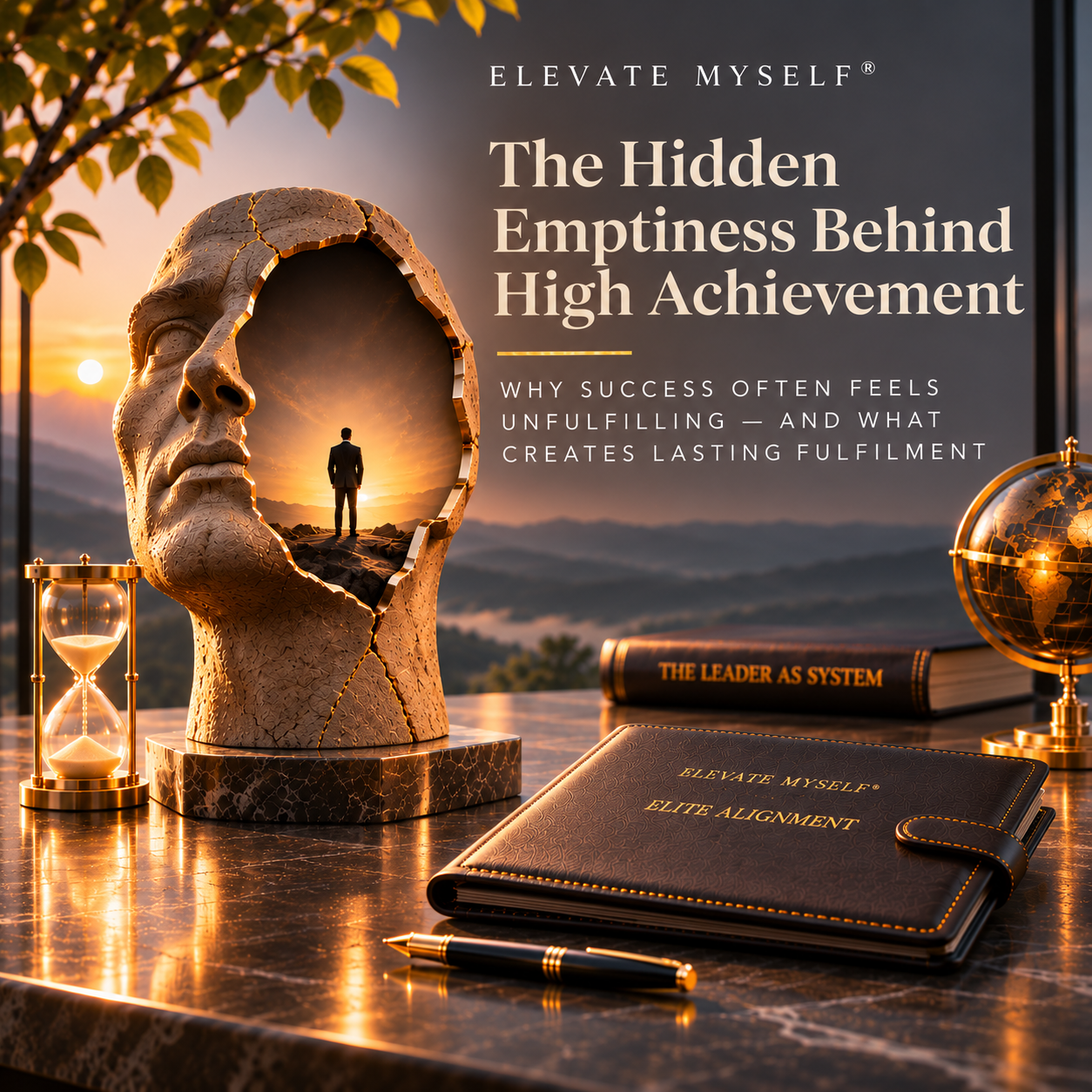
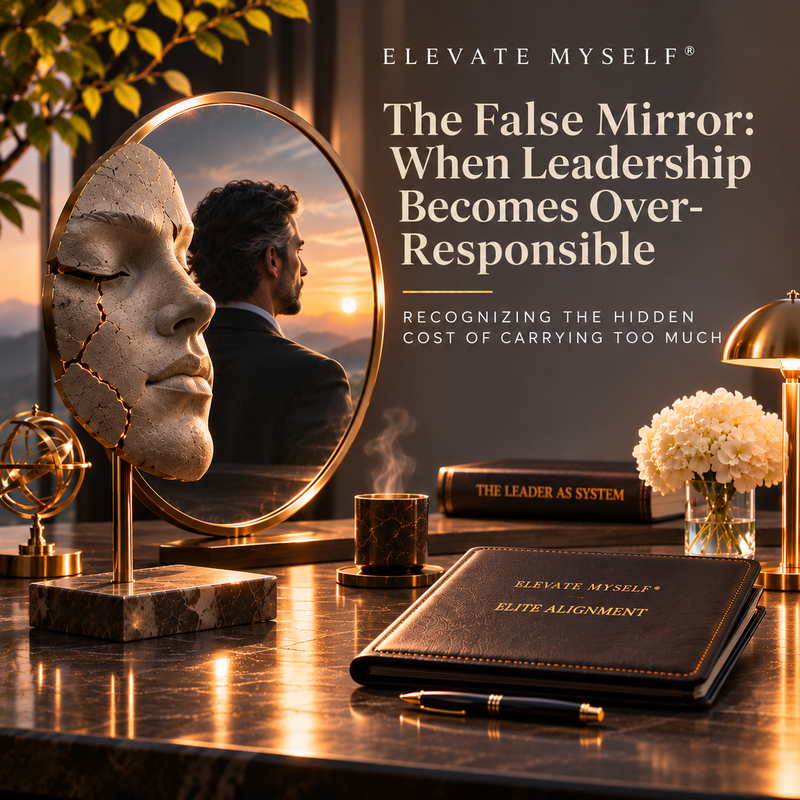
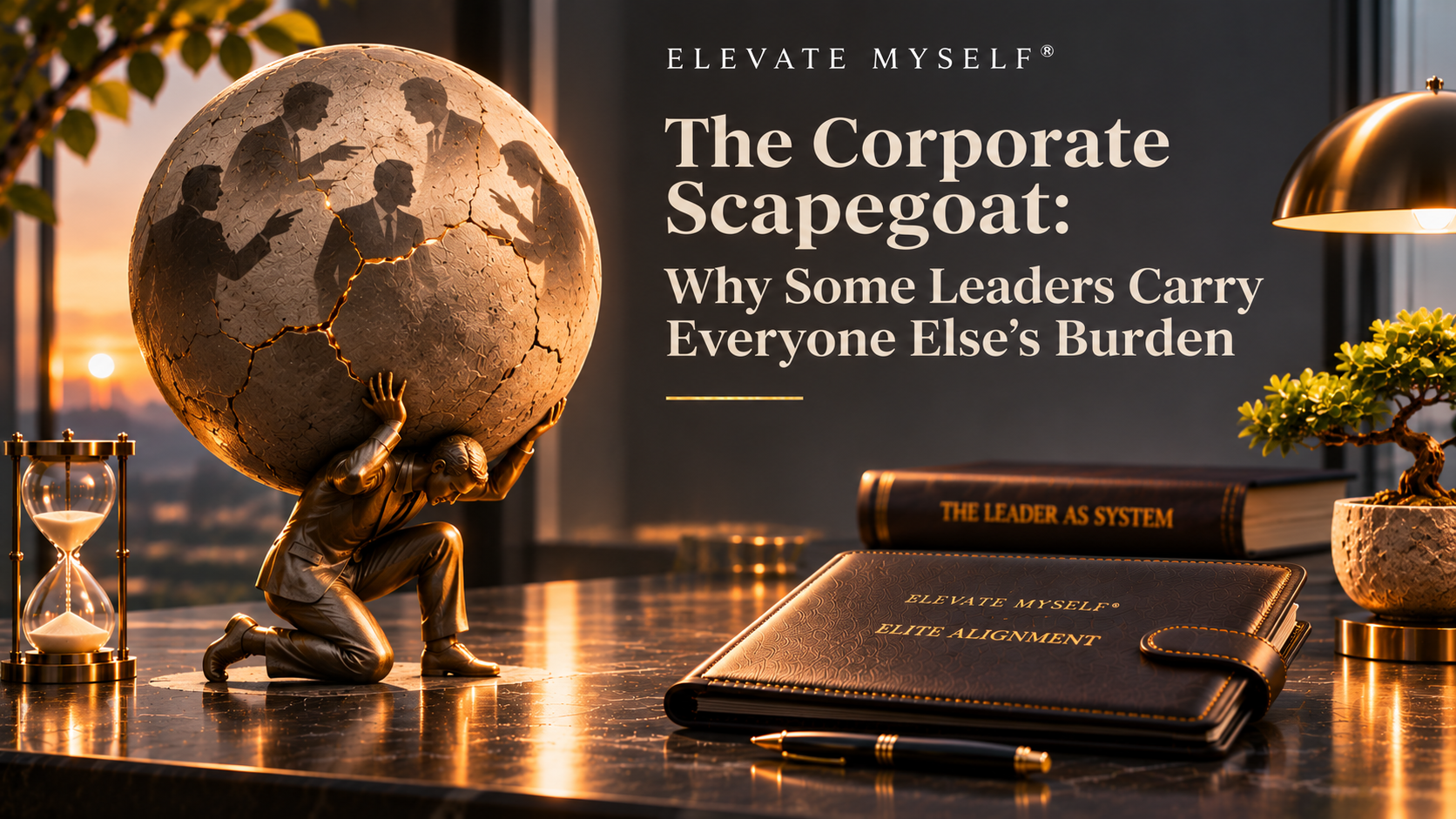
In entrepreneurship, leadership and creative achievement, we sometimes encounter a particular paradox: the Hollow Winner.
This is the individual whose external success has become substantial while their internal experience of leadership has become increasingly demanding. Achievement continues, responsibilities expand and the expectations surrounding performance become greater, yet the capacity to recover, remain present and experience genuine ease may gradually diminish.
The result can be a form of functional fragility. A leader may continue to perform exceptionally while operating under sustained physiological and psychological pressure.
The Shift from Performance to PresenceLeadership is expressed through more than strategy and decision-making. It is also shaped by the quality of attention, regulation and presence available to the person carrying responsibility.
When the nervous system remains under prolonged pressure, attention can become narrower, recovery more difficult and responses more reactive. As regulation improves, leaders may experience greater capacity to pause, perceive complexity and respond with greater deliberateness.
This is where Presence becomes an important dimension of sustainable leadership.
The Mechanics of Quiet Authority
Quiet Authority develops when leadership no longer depends primarily on visible effort, constant urgency or the need to demonstrate control.
A leader who can remain grounded during uncertainty creates a different quality of interaction around them. Difficult conversations can become more considered. Decisions can have greater clarity. Others may experience greater confidence in the leader's ability to remain engaged when circumstances become demanding.
The influence is subtle, but consequential. It comes less from controlling the environment and more from the coherence of the person operating within it.
Why Performative Resilience Has Limits
Chronic Activation: Sustained pressure can make recovery increasingly difficult and reduce the quality of attention available for complex decisions.
The Proprioceptive Gap: Leaders can become highly skilled at managing external demands while becoming less aware of what their own body is communicating.
Reactive Performance: When responsibility is carried through constant urgency, decisions can become shaped by immediate pressure rather than broader perspective.
Sustainable resilience therefore involves more than the ability to keep going. It includes the capacity to regulate, recover and remain connected to the quality of leadership required by the situation.
From Performance to Occupation
The deeper opportunity is to develop a relationship with leadership in which external achievement and internal experience become increasingly coherent.
This means understanding the person behind the performance: the patterns that shape ambition, the physiological demands of responsibility, the relationship with pressure and the quality of presence available when circumstances become complex.
At ELEVATE MYSELF®, this exploration sits within the broader architecture of Personality, Persistence, Presence and Purpose.
The objective is not simply to sustain achievement for longer. It is to develop the internal architecture capable of carrying what achievement has made possible.
Read The Quad-Pillar Manifesto - The 4 Pillars of Sustainable Leadership for the broader framework.
ELEVATE MYSELF® Elite Alignment is a private advisory for global leaders, institutional architects and legacy builders seeking greater coherence between leadership, purpose and the institutions they shape.
Engagement is selective and begins with an Elevation Brief to understand the leader, the context and the developmental opportunity.
Request an Elevation Brief
Episode 1 — The Somatic Vacuum
Companion Briefing | Episode 1 of The Integrated Leadership Briefings™
Access Hiti Rangnani's spoken reflection on why executive presence begins with nervous system regulation—not performance.